|
If you click the image on the left, it will
be enlarged enough to enable you to see Red Spider Mites. You
will note that they are actually green here. See above. Easier
to see, are the cobwebs which are often the first noticeable
sign. of infestation |
Red spider mites, are not actually
spiders - even though they spin a web! They live from the sap drawn from
plants by sucking at the underside of leaves. If left unchecked, they
can do substantial damage to plants - even kill them.
Red spider mites are not easy to control
- far better to try and prevent. Red Spider mite attacks a huge range
plants - indoors and out. Indoor plants and greenhouse plants are
normally worse affected, though Roses, other shrubs, some conifers - in
particular Picea varieties - are also susceptible.
Symptoms. With indoor plants, the first
signs are a general 'sick' look of the plant, with some mottling of the
upper leaf surface. This generally happens before the webs or mites are
noticed. Plants just stop growing, foliage takes on a discoloured look -
pale - sometimes bronze.
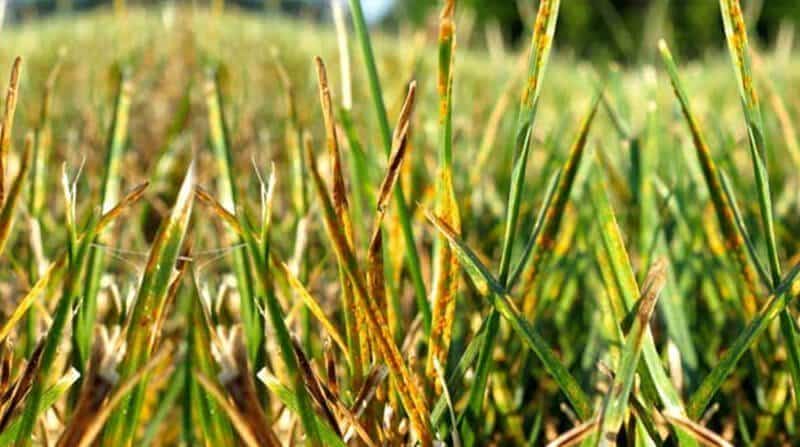
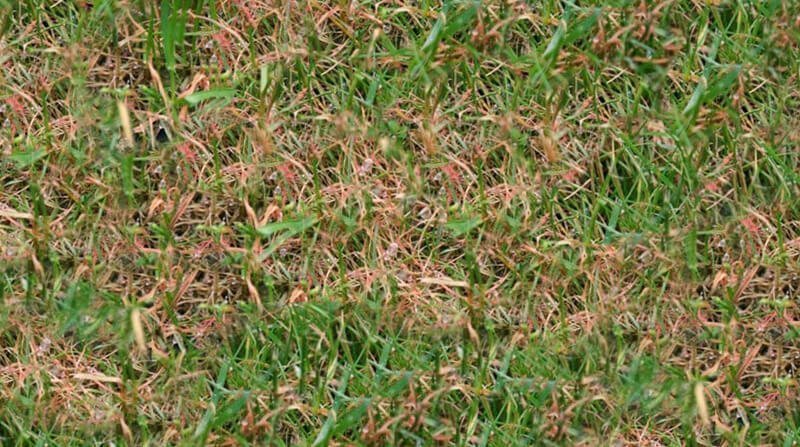
Conifers tend to show sign of browning - as though
scorched. This sometimes means that it is too late! Picea varieties -
including the blue spruces, and also Picea albertina conica will show a
general malaise that need prompt attention if you want to save your
prize shrub from certain death by red spider mite.
Indoor plants - and greenhouse plants - will show a
distinct discoloration of the leaf surface. In the greenhouse, Fuchsia
leaves will start to look pale - maybe drop off. Same applies to a wide
range of plants under cover. It may be necessary to view with magnifying
glass to confirm the presence of red Spider.
Citrus fruit plants are very susceptible - especially
in hot weather - indoors or outdoors.
Vegetable plots are not immune either - beans in
particular are prey to the sap sucking mites. Strawberry plants also
affected - with no usable spray treatment - bad news for Wimbledon!
Apple and Pear trees can also be affected - again a
discolouration of the leaves - mottled, lightness, or even turning
bronze/brown if unchecked.

Underside of affected
Alocasia houseplant
© David Hughes

A closer look! © David
Hughes
Likes and Dislikes : Red Spider
mites prefer hot dry conditions. This is why they are particularly
troublesome in the greenhouse - glasshouse. The same is also true
outdoors on shrubs, Fruit Trees, perennials, vegetables and annuals in a
hot dry summer. They dislike damp conditions - and certainly not too
happy with cold either!
Prevention: Red spider is a
difficult pest to eliminate once an infection has taken hold. This is in
part due to the fact that they have several generations in the same
infestation, and some chemicals will only kill certain stages of life
cycle. Also, Red Spider Mites are capable of building up immunity to
most chemicals available.
So! Prevention is obviously a major asset
in the control of this troublesome pest. They do not like damp, humid
conditions, together with which regular misting or spraying will
actually suppress their ability to reproduce! (Similar to a cold
shower?)
Regular spraying with fine mist of water,
in greenhouse and also in hot conditions outdoors is a good form of
defence. indoor plants perhaps best taken outdoors for this form of
defence, though fine misting on a regular basis will certainly help to
prevent a serious attack. Together with this, any form of increasing
humidity levels around the house plant - other than for the general well
being of houseplants - will help to reduce red spider infestation.
Cure: Difficult! but, sprays of
bifenthrin, or malathion have proved successful. A single spray will not
solve the prioblem, for reasons stated above ie only certain age groups
within the population are affected.
Bifenthrin is found in brand names
such as 'Sprayday', 'Bug Clear Gun', 'All-In-One Garden Pest Killer'
Provado Ultimate Bug Killer is also good -
as are insecticide containing fatty Acids.
Maybe a rotation of these chemicals in
extreme cases, to a/ prevent an immunity building up, and b/ also to
combat the mites which have already built up resistance to one or the
other of the sprays.
Biological control is a realistic
method in enclosed situations such as greenhouses. The application is
quite important - dependent on correct timing. |